Have you seen this eye-grabbing new installation by Barbara Kruger in the Museum of Modern Art’s atrium? Don’t miss the rest of the show at David Zwirner Gallery in Chelsea, where the gallery’s three adjoining spaces on 19th Street showcase work from a recent exhibition of Kruger’s work at the Art Institute of Chicago and the LA County Museum of Art. Join me on a Chelsea gallery tour to see the show before it closes on Aug 12th.
Barbara Kruger, installation view of Thinking of You. I Mean Me. I Mean You at The Museum of Modern Art, July 2022.
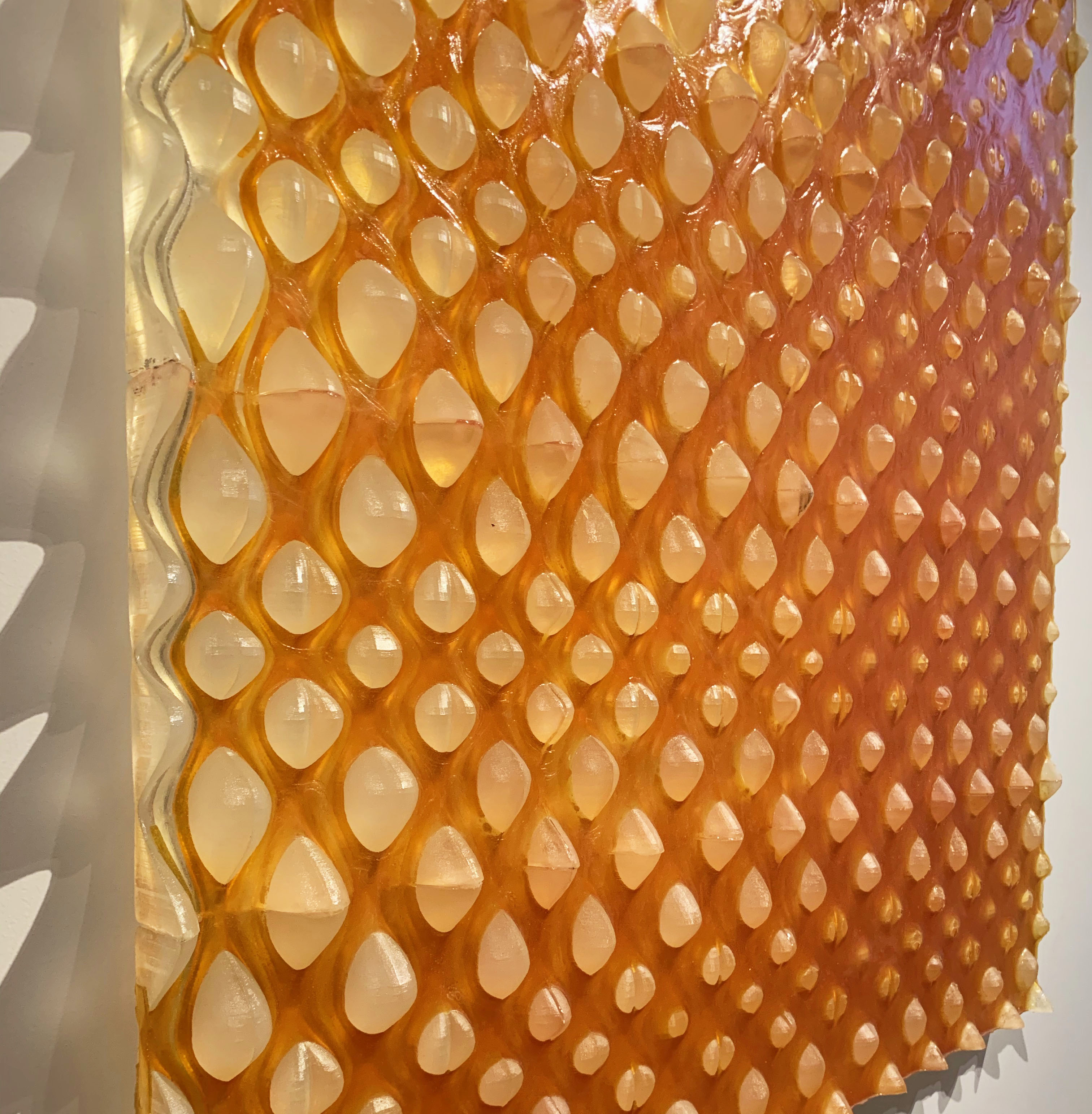
New York Art Tours celebrates the Museum of Modern Art’s reopening to the public today with a closer look at a panel by Professor of Media Arts and Sciences at MIT’s Media Lab Neri Oxman from her reopened exhibition, ‘Material Ecology.’ This wax and resin panel is the first piece visitors encounter in an exhibition that showcases materials and processes that collaborate with nature. The panel’s attractively undulating structure is determined by the need to transmit light and accommodate heat change. (On view through Oct 18th. View MoMA’s new guidelines before visiting.)
Neri Oxman, detail of Cartesian Wax, rigid polyurethane casting resin composite and machinable wax, 2007. Collaborators and contributors: Mikey Siegel; MIT Center for Bits and Atoms.
This painting is from the MoMA series, but it’s never been in the Museum of Modern Art. Instead, this piece of rogue modernism is a remake of Van Gogh’s famous Starry Night, painted by Chinese artist and provocateur Shen Shaomin to look as if it’s covered in bubble wrap. Even the packing tape is painted, not just trying to impress as trompe l’oeil, but suggesting that famous paintings are just another commodity. (At Klein Sun Gallery in Chelsea through April 29th).
Shen Shaomin, Handle with Care – MoMA No. 6, oil on canvas, 29 x 36 ¼ inches, 2017.
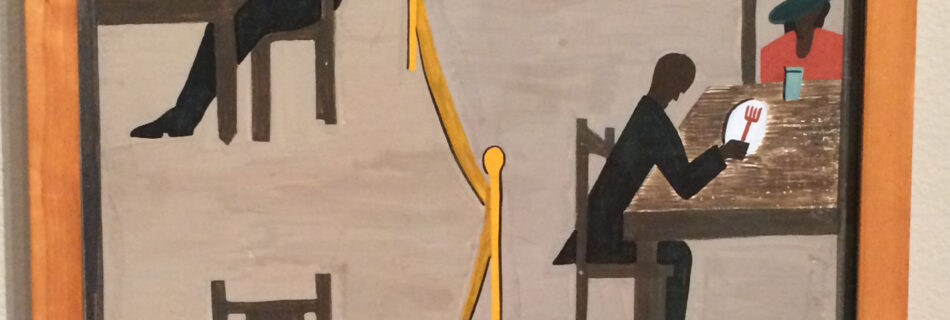
This painting from Jacob Lawrence’s 1941 series about the Great Migration of African-Americans from the rural south to the industrial north starkly describes how discrimination also took place in the north. (At the Museum of Modern Art through Sept 7th).
Jacob Lawrence, from the Great Migration series, tempera, 1941.
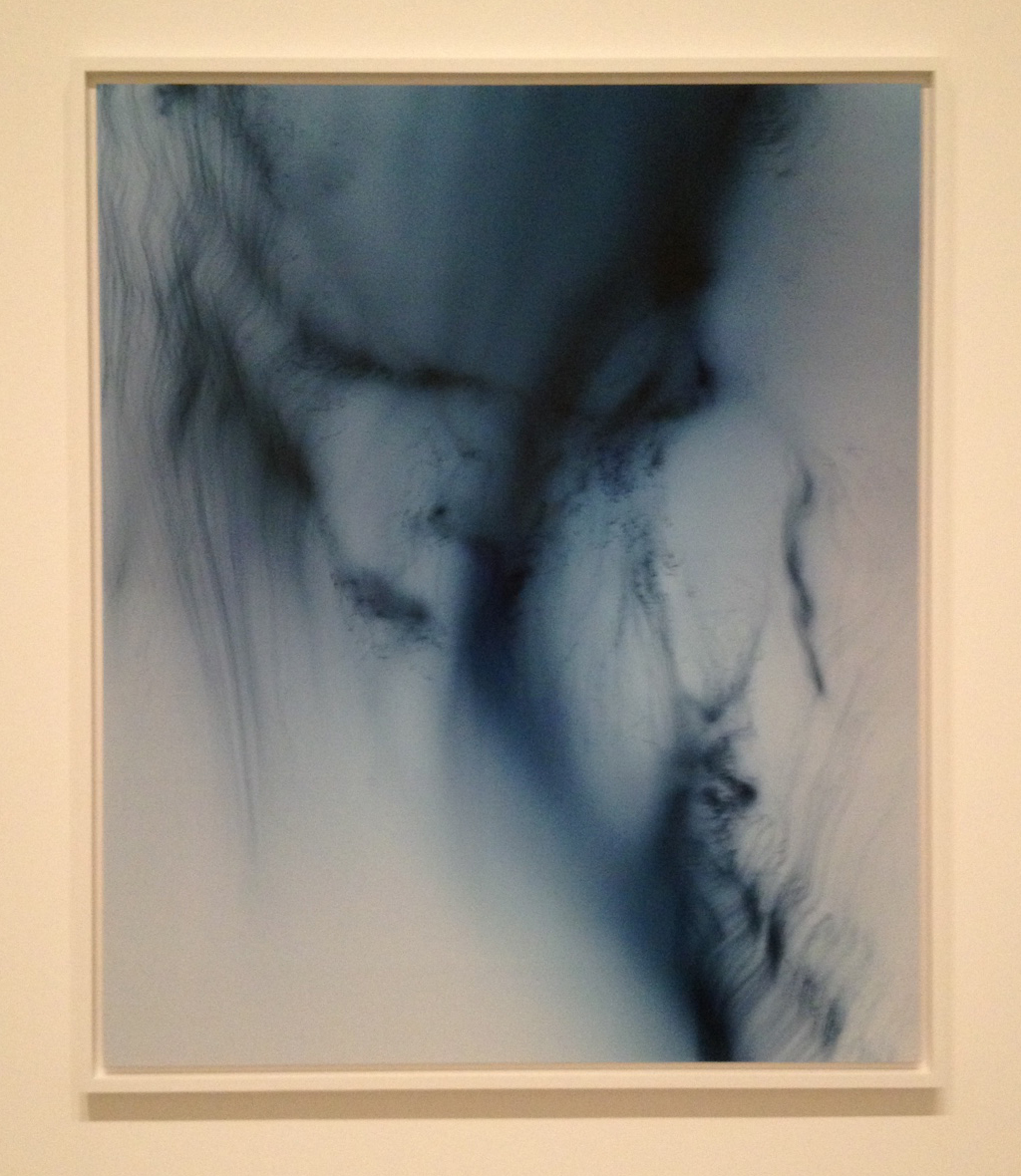
Wolfgang Tillmans, Freischwimmer 199, chromogenic color print, 2012.
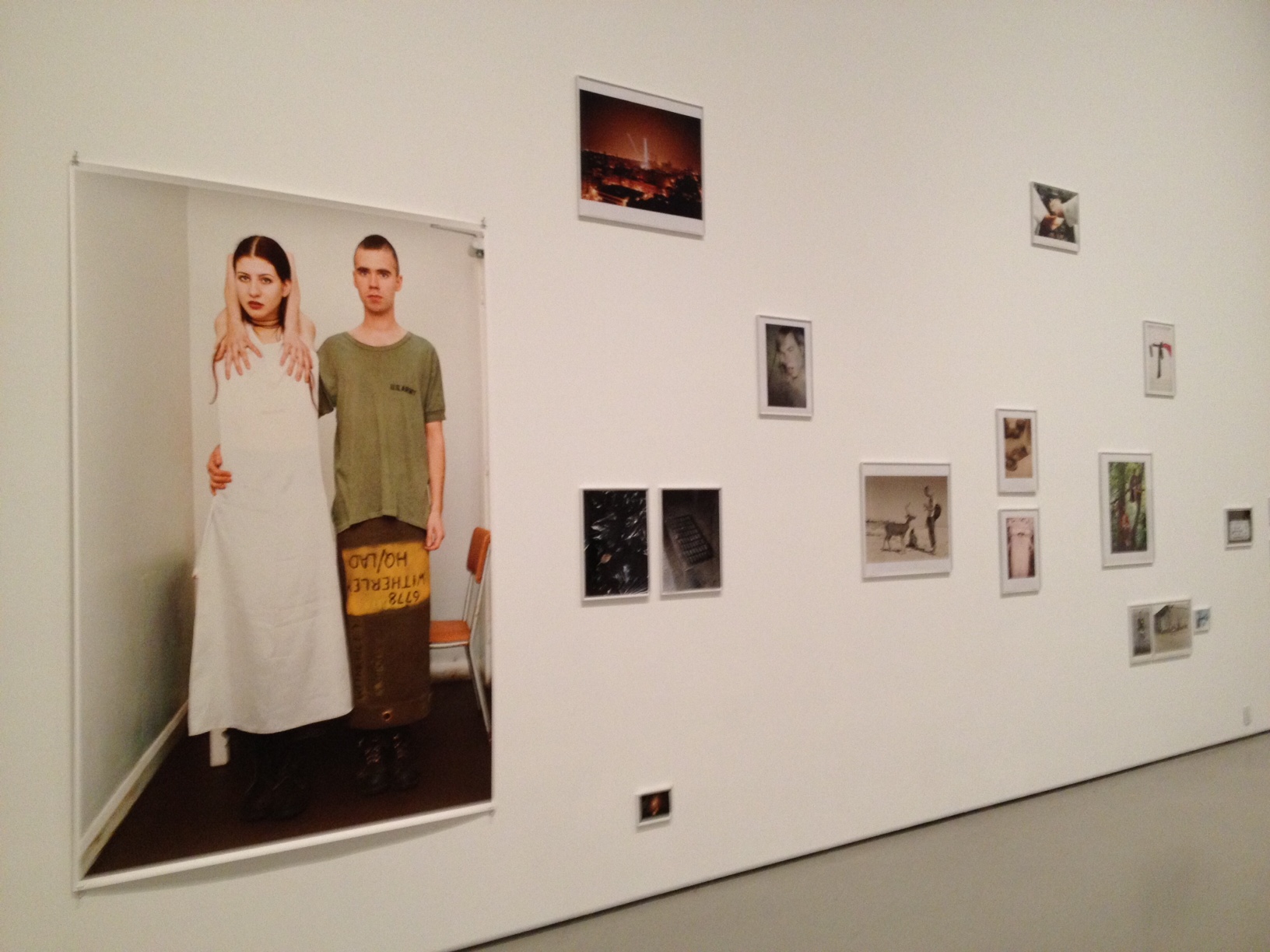
The Museum of Modern Art recently rehung its contemporary art galleries, making room for an entire room of work by photography trailblazer Wolfgang Tillmans. It includes this recent experimental abstraction created by chemical processes in the darkroom and thirty iconic photos of European youth culture, displayed in a typically unconventional arrangement.
Suzanne & Lutz, white dress, army skirt, chromogenic color print, 1993.
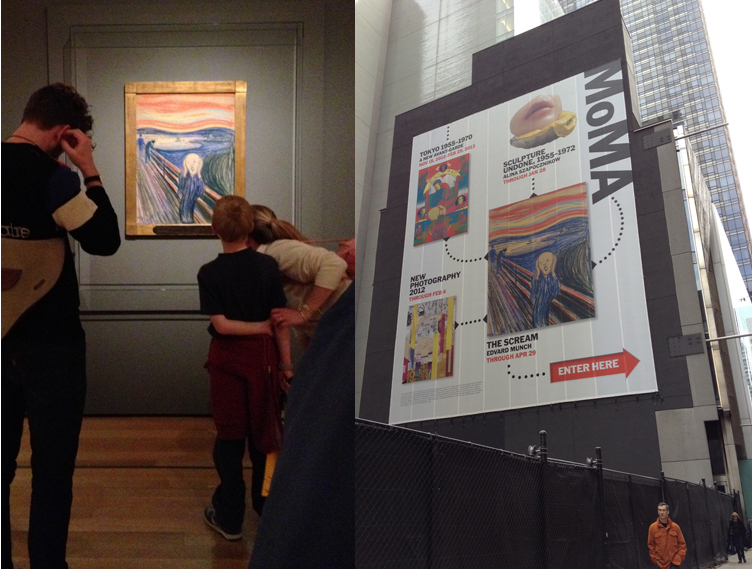
Here’s a look at Edvard Munch’s ‘The Scream,’ a version of the iconic artwork from 1895 in pastel-on-cardboard, currently installed at the Museum of Modern Art. Recently purchased at auction for nearly $120 million, its owner has anonymously loaned it to the museum for six months. (Arrive early to avoid a new nonmembers line just to get into the fifth floor galleries.)
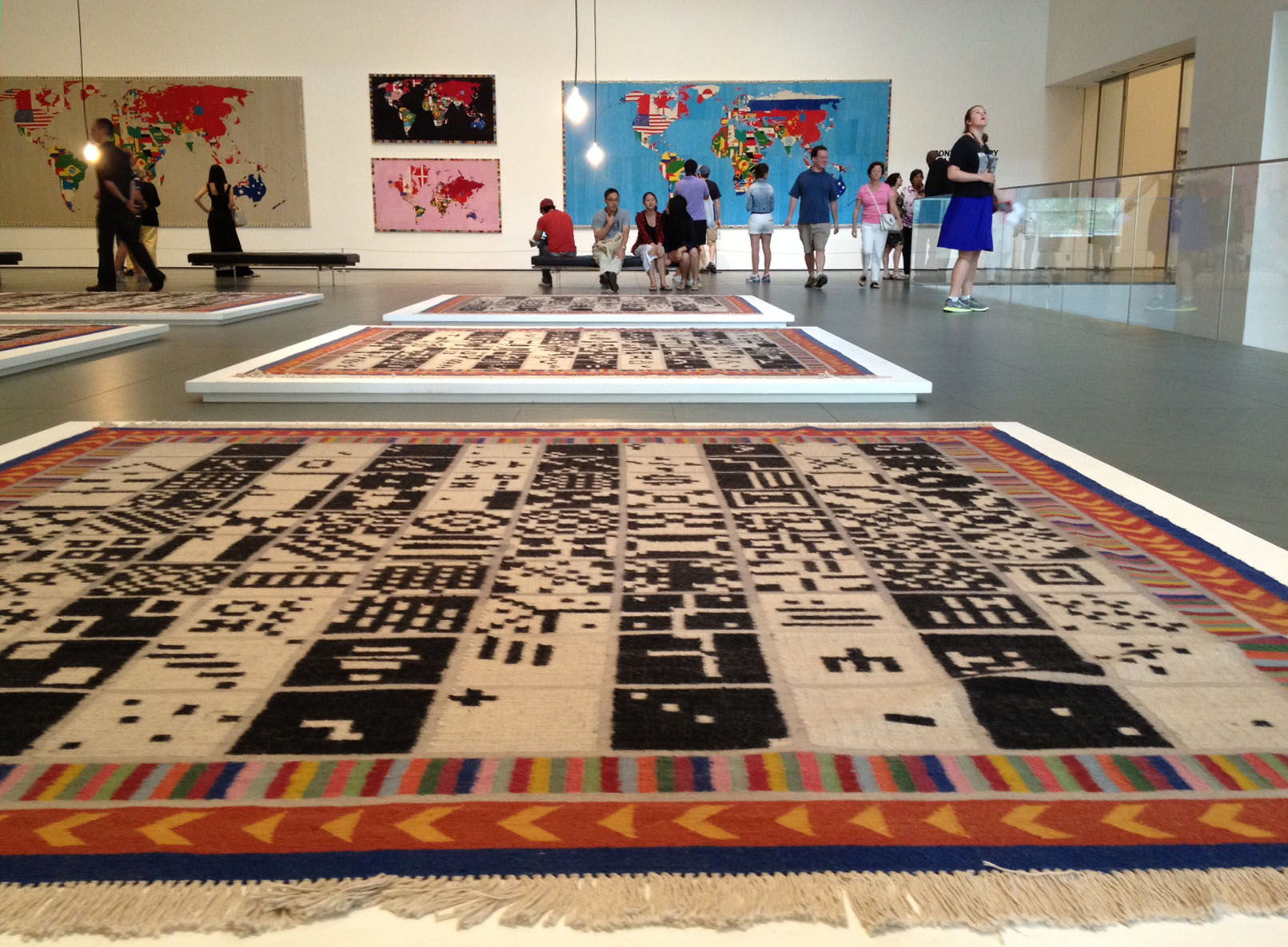
Alighiero Boetti, installation view at the Museum of Modern Art, Aug, 2012.
Alighiero Boetti’s gorgeous installation in the MoMA’s atrium defies Sol LeWitt’s oft-quoted 1967 remark about conceptual art that ‘all of the planning and decisions [for a work of art] are made beforehand and the execution is a perfunctory affair.’ In ‘Mappa’ from the 70s and 80s (on the back wall) and kilims from 1993 (in the foreground) Boetti commissioned his artwork from Afghan craftswomen, ensuring that execution shares the spotlight with conceptual content while recalling Minimalist seriality and Jasper Johns’ proto-Pop.
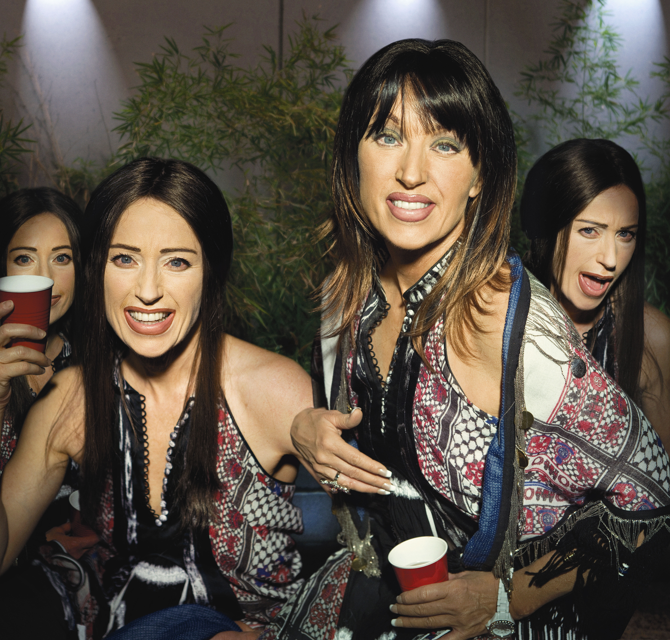
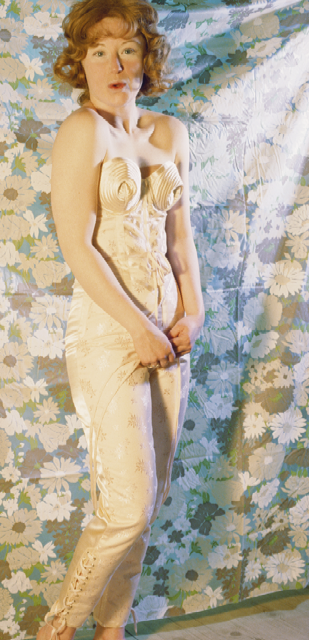
As the reviews come out, Cindy Sherman’s retrospective at MoMA (open Feb 26 – June 11) seems set to break ‘best-loved show’ records. Universal critical adoration usually arouses suspicion of cliquish agreeability. But Sherman takes the very notion of conformity to fashion and self-presentation -negotiated through society’s expectations – as her subject matter. Absurdity and grotesquery appear at every turn in this show, making Sherman an uber-critic whose acuity forces the following homages from New York’s major cultural commentators:
Though Smith takes umbrage with the show’s selection and non-chronological arrangement, calling it “magnificent if somewhat flawed,” Sherman herself is “…an increasingly vehement avenging angel waging a kind of war with the camera, using it to expose what might be called both the tyranny and the inner lives of images, especially the images of women that bombard and shape all of us at every turn.”
Saltz also gives Sherman fighting cred, calling her “…a warrior artist – one who has won her battles so decisively that I can’t imagine anyone ever again embarking on a lifetime of self-portraiture without coming up against her.” He adds, “I think of Cindy Sherman as an artist who only gets better.”
Schjeldahl affords Sherman the highest praise, saying, “The mysteries are irreducible…they qualify Sherman, to my mind, as the strongest and finest American artist of her time.” Pointing out that delusion allows a disconnect between “inner feeling” and “outer attributes” he adds that, “…Sherman makes hard, scary truths sustainable as only great artists can.”
Halle calls the MoMA retrospective “…the best show I’ve seen there since the Gerhard Richter survey [in 2002], and probably the best exhibit I’ve seen anywhere in a while…The way I’d put it is that Sherman uses glamour and horror to send up and celebrate the feminine mystique, including her own. She quantifies and categorizes the notion of one’s appearance, which fashion also does. But unlike Anna Wintour, Sherman isn’t in the business of marketing the cultural; she’s in the business of laying it bare.”
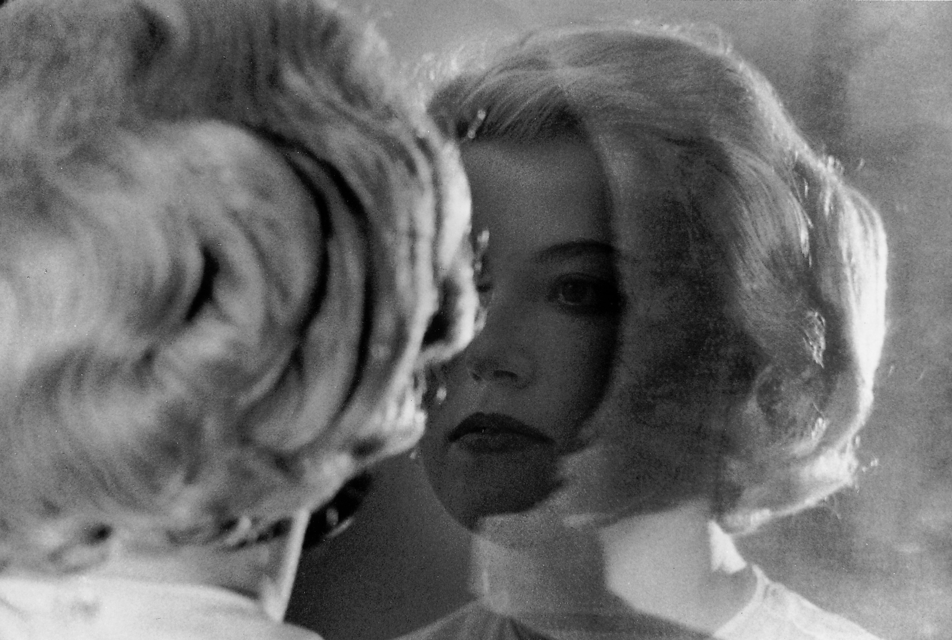
The biggest surprise in Cindy Sherman’s major career retrospective, opening to previews today (and officially on Feb 26th) at the Museum of Modern Art, is that there are few surprises. It testifies to Sherman’s stature and influence that so much of the work in the show – 171 photos from the 1977-80 Untitled Film stills to the most recent send-ups of society matrons – is so familiar that it’s hard to even find the critical distance to reconsider it.
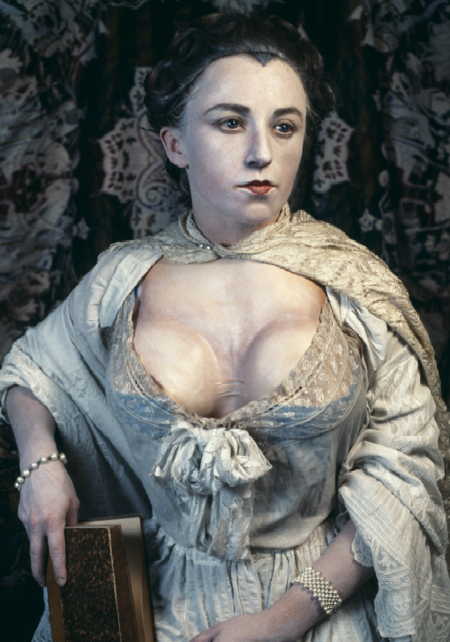
What does emerge is Sherman’s consistent and merciless pillorying of character types from the fashion victim to the aging coquette in galleries arranged by series – history portraits, centerfolds, etc – or by theme – fashion, carnival, abjection. By comparison, the Untitled Film Stills (appearing in their entirety) appear kind by virtue of their hidden fakery and purposefully glamorized subjects.
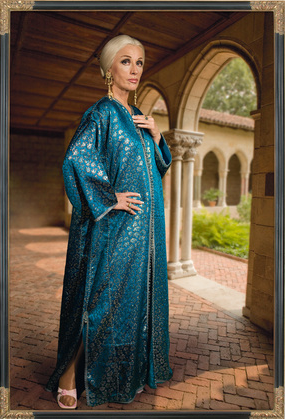
Grotesquery – not limited to the fairy tale or sex series – is a heavy component of most of the work, whether in the repellent muscles of a prosthetic cleavage or the big hair and garish makeup of a woman trying desperately to hang on to her looks. Sherman’s caricatures let most of us off the hook – at least until we start wearing caftans to lounge around our loggias – by representing ‘other people’ who’ve lost their style compass.
Sherman’s early work – seen at the beginning and end of the show – belies such distancing, specifically a stop motion animated short film depicting Sherman as a paper doll who selects her own outfit only to be returned to her case by a giant hand. The artist’s ‘hand of God’ is now aided by Photoshop, as she alters facial details like those on an 18 foot high mural at the gallery entrance. But though technology lends Sherman the potential for serious distortion, she holds back, continuing to tweek the conventions of dress and representation to which we adhere to a greater or lesser degree.